Sermon: Following Jesus to the streets

Sermon for Holy Trinity Anglican Church, Williamstown

Palm Sunday Combined Service, 29th of March 2015

Mark 11:1-11

I can remember when Palm Sunday first began to mean something to me. It was in the late nineties, and I was in my mid-twenties. I grew up in the church, so by then I would have celebrated fifteen to twenty Palm Sundays, and I had undoubtedly enjoyed walking in processions and waving palms, but Palm Sunday hadn’t struck me as important. For one thing, it was the last Sunday before Easter, and so it seemed insignificant in comparison.

But one Palm Sunday the Reverend Professor Doug Fullerton, now seven years’ dead, preached a sermon that changed everything for me.

Doug Fullerton

Continue reading

Posted in Political Activism, Sermons | Tagged , , , , | Leave a comment

Sermon: Foolishness

Williamstown Uniting Church
Sermon for the Third Sunday of Lent
8th of March, 2015

John 2:13-22
1 Corinthians 1:18-25

‘God’s foolishness is wiser than human wisdom, and God’s weakness is stronger than human strength.’ In his first letter to the Corinthians, Paul contrasts human wisdom and divine foolishness. Paul, of course, is not suggesting that there’s no room for our intellect in our faith. After all, Jesus tells us to love God with all our mind, as well as with all our heart, soul and strength. (Mark 12:30) What Paul is writing about is the difference between living a life of human wisdom, a safe, careful and prosperous life; and a life of divine foolishness, a dangerous life ultimately based on a scandalous, degrading and cruel execution. Continue reading

Posted in Sermons | Tagged , , , | Leave a comment

Sermon: Repenting at the Royal Commission

Sermon for Williamstown Uniting Church

1st of March, 2015

Mark 8:31-38

Today’s reading comes from a pivotal moment in the Gospel of Mark. Brendan Byrne, who taught me the Gospel of Mark, says that there are three stories in the gospel. Story One asks the question who Jesus is. We know, because we’ve read the opening line of the gospel: ‘The beginning of the good news of Jesus Christ, the Son of God.’ But the disciples and the crowds don’t, and through the first half of the gospel they are asking who this person with power and authority could be. The answer is that he’s the Messiah. Story Two then asks what sort of Messiah Jesus will be. The second half of the gospel shows Jesus teaching his disciples that as Messiah he must suffer, be rejected, be put to death, and on the third day rise again. For the disciples this second story, about suffering and death, conflicts with the first. The two stories clash on the cross, when Jesus is taunted by the crowds who call: ‘He saved others; he cannot save himself. Let the Messiah, the King of Israel, come down from the cross now, so that we may see and believe.’ These two apparently contradictory stories are resolved in the third story, which sees Jesus, the crucified messiah, as the Son of Man who returns in glory. Continue reading

Posted in Uncategorized | Tagged , , , , , | Leave a comment

Sermon: God-Humanity Solidarity

Sermon for Williamstown

The First Sunday of Lent, 22nd of February 2015

Genesis 9:8-17

Mark 1:9-15

I’ve mentioned before that the Gospel according to Mark is a short, quick, intense gospel. Today this is a huge benefit for us, because in six verses Mark gives us Jesus’ baptism; his temptation in the wilderness; and the beginning of his ministry; one after another; bam, bam, bam. And this is wonderful, because the three, baptism, temptation, ministry, go together – for us as well as for Jesus. We should thank the author of the Gospel of Mark for never taking a breath. Continue reading

Posted in Sermons | Tagged , , , , , , | Leave a comment

Sermon: Sojourning in the Valley

This is another recycled sermon. I decided to reuse it partly because in the week before I preached it I’d had a funeral that took a lot of physical, emotional and spiritual energy; partly because it’s a sermon that I find I actually quite like when rereading it; and partly because when I preached it I was absolutely in the valley and I needed to be reminded that while there’s more to life than valleys, they are themselves a normal part of life.

Sermon for Williamstown

Transfiguration, 15th of February 2015

2 Kings 2:1-12; Mark 9:2-9

Today we celebrate the Transfiguration, the revelation of God in Jesus. It is, literally, a mountaintop experience, in which the separation of earth from heaven is overcome by the presence of Jesus. We know that we’re on the border of heaven because we’re on a mountain, the traditional site of revelations of God; because Jesus’ clothes have become dazzling white, the colour of light itself; and because Elijah and Moses, representing the prophets and the law, are present. God spoke to both Elijah and Moses on a mountain (Exodus 24:17, 1 Kings 19:11-13); their presence here confirms for Peter, James and John that on this mountain they’re seeing God. Moses had to veil his face after speaking to God, but in Jesus the veil that normally hides God from human sight has been removed. Today we celebrate that theophany, that revelation of God, standing with Peter, James and John on the mountaintop.
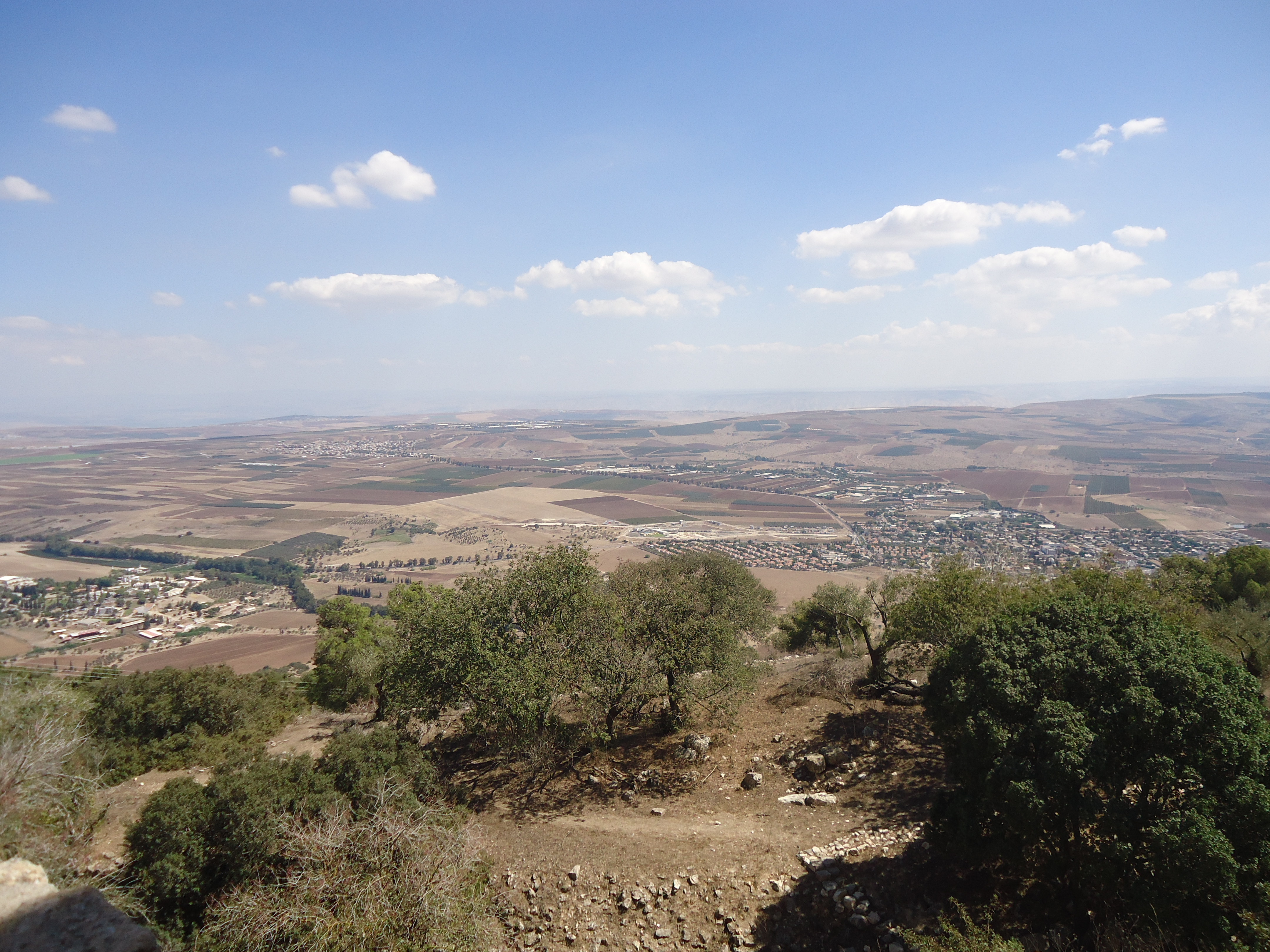
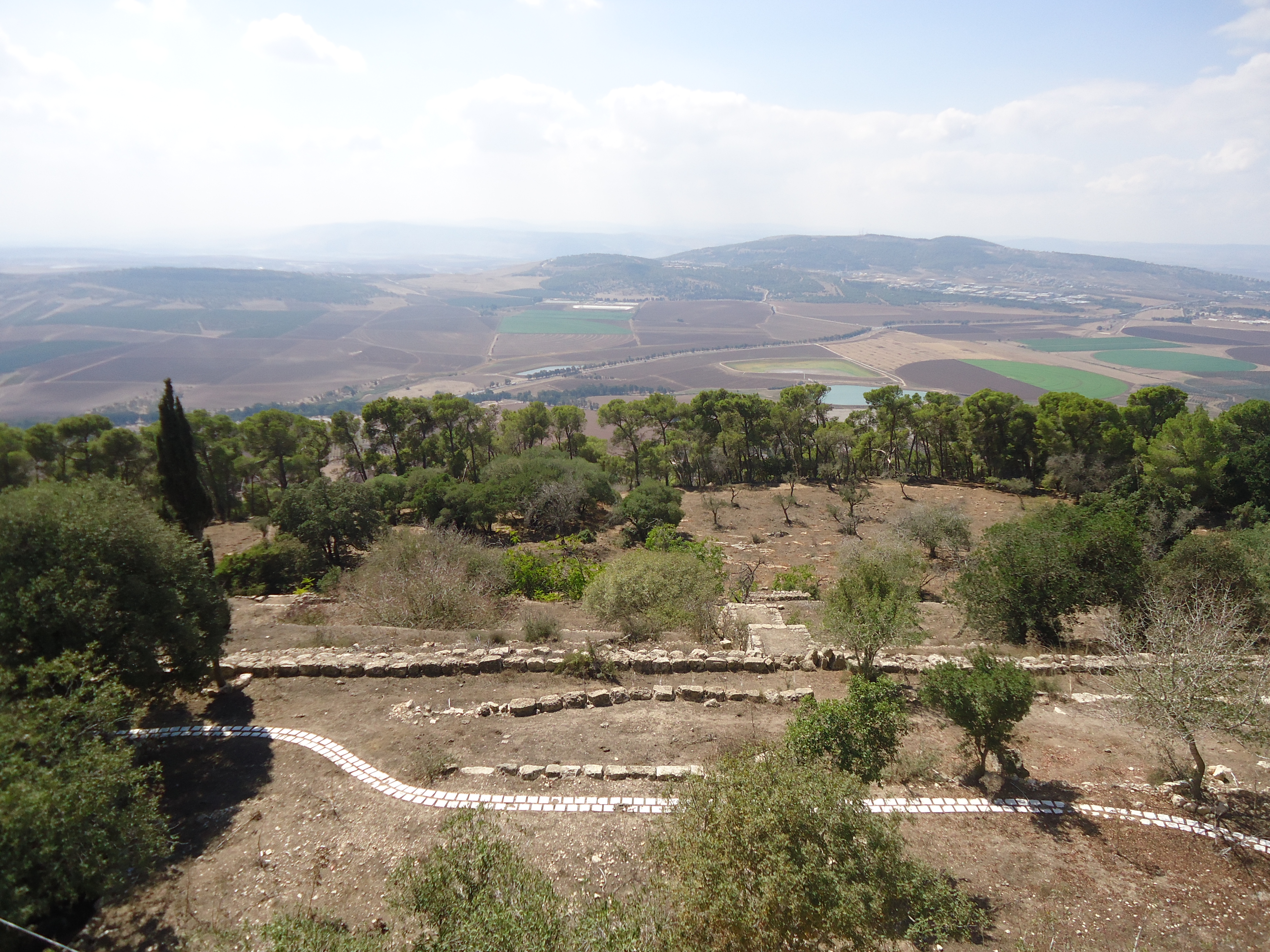
194       View over Galilee from the supposed Mount of the Transfiguration.

But I’ve preached on Transfiguration’s amazing theophany for the past two years, and so today I want to focus instead on the valleys. Because there are no mountains without valleys; there are no mountain-top experiences without hard times. Continue reading

Posted in Sermons | Tagged , , , , | Leave a comment

Sermon: Healed to ‘deacon’

This week I’m cheating. In the past five days I’ve conducted three funerals and I’m tired. So this Sunday’s sermon is a recycled one. I’ve made a few minor changes to the sermon I first preached, but basically this is what I said in Romsey and Lancefield six years’ ago. Fortunately, reading it over, I find that I’m still in agreement with myself. 

Sermon for Williamstown

8th of February 2015

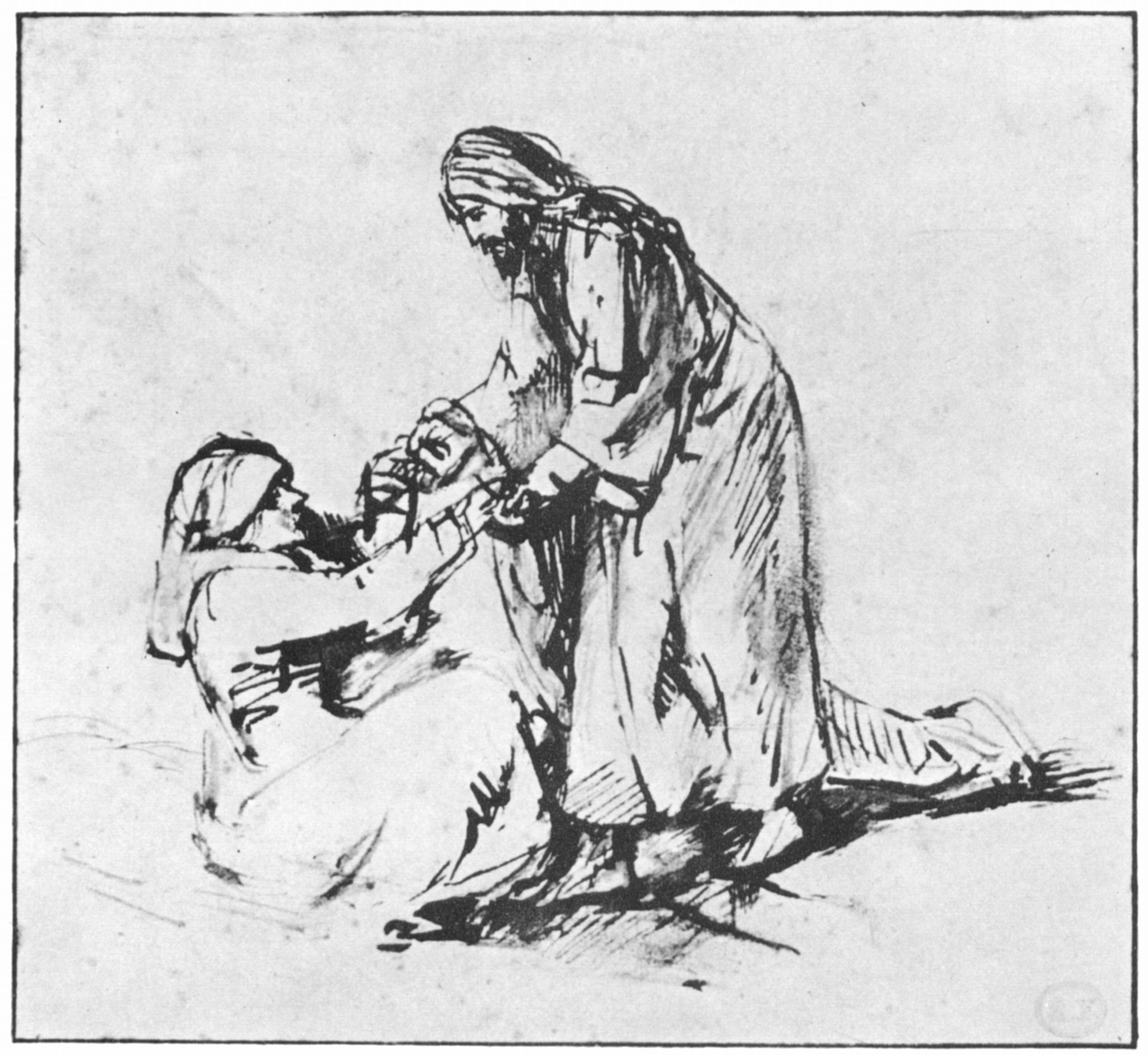
Rembrandt 1660 Healing of Mother-in-Law

Mark 1:29-39

Together, the gospel readings from today and last Sunday describe a complete day in the life of Jesus. If you remember, last Sunday’s reading had Jesus going to the synagogue at Capernaum on the Sabbath and teaching with authority. Then he was confronted by a man possessed, and he rebuked the demon and healed the man. Today, we hear what happened next. In Mark’s story of a day in the life of Jesus we are shown more of who Jesus is and learn more about his mission from God. We, Mark’s readers, know that Jesus is the messiah, the Son of God, because Mark has already told us. But the people around Jesus don’t yet know who he is, and Mark shows us their reaction to this astounding person who teaches with authority, commands the unclean spirits, and heals the sick. As we’ll see, some of these responses are models for us to follow. Some are warnings of what to avoid. Continue reading

Posted in Sermons | Tagged , , , | Leave a comment

Sermon: Overcoming demonic powers

Sermon for Williamstown
Epiphany 4, 1st of February, 2015

Mark 1:21-28

Mark’s gospel is in many ways the strangest of the four canonical gospels. It’s probably the earliest; it’s definitely the shortest. It starts without any sort of birth story for Jesus; and it ends without any post-resurrection appearance. The last words of the original ending of the gospel are: ‘So they went out and fled from the tomb, for terror and amazement had seized them; and they said nothing to anyone, for they were afraid’. (Mark 16:8) Where is the gospel, the good news, in this?

Everything in Mark happens ‘immediately’, or ‘at once’. Jesus, the disciples, and we readers race though the gospel, scarcely pausing for breath. Here we are, four weeks into ordinary time, still within the very first chapter, and already John has appeared in the wilderness baptising; Jesus has been baptised; then driven into the wilderness and tempted; has proclaimed the coming of the kingdom at Galilee; and has called his first disciples. All that in 20 verses. Now, in today’s reading, we get the beginning of what seems to be a typical, paradigmatic day of ministry for Jesus, a day of teaching and healing. Continue reading

Posted in Sermons | Tagged , , , , , , | Leave a comment

Sermon: In which the Prophet Jonah pouts like a three-year-old

Sermon for Williamstown

Epiphany 3, 25th of January, 2015

Jonah 3:1-5, 10

Today the lectionary gives us what I think is the only reading from the Book of Jonah that we get in the entire three year cycle. The Book of Jonah is so awesome, and so hilarious, that although we’re only given six verses in the lectionary, I’m going to take you through the entire book. So, sit back and relax.

It begins when God tells Jonah to go to Ninevah and prophesy against it because of its great wickedness. Like many people called by God, Jonah is less than enthusiastic. As I said last week when we were talking about Samuel: Moses reminded God that he was a stammerer; Jeremiah said that he was only a boy; very few people called by God have Elijah’s ‘here I am, Lord, send me’ response. Unlike Moses and Jeremiah, Jonah doesn’t actually argue with God. He simply takes off in the other direction. God wants Jonah to go to Ninevah in the East; Jonah flees to Tarshish, the furthest known point in the West; for Hebrews the far end of the world. Continue reading

Posted in Sermons | Tagged , , , , , , | Leave a comment

Sermon: Should the Uniting Church become Eli?

Sermon for Williamstown
The second Sunday of Epiphany, 18th of January 2015

1 Samuel 3:1-10

Eli and Samuel

Today’s lectionary readings give us two stories of God calling people. I want to focus on the story of Samuel’s call, because it’s a surprising one when compared with the other call narratives in the Hebrew Scriptures. You may remember me telling you in other sermons that in the Hebrew Scriptures, when God called someone the person so called, whether Moses, Gideon, Isaiah or Jeremiah, was less than thrilled. Jonah, whose story we’ll hear next week, responded to his call by running as far as he could in the opposite direction. Few people in the Hebrew Scriptures who are called by God seem to rejoice at their call; they instead seem do their absolute best to get out of it. Continue reading

Posted in Sermons | Tagged , , , , , , | 1 Comment

Competing Claims for Justice: Sexuality and Race at the Eighth Assembly of the Uniting Church in Australia, 1997

It’s now been almost 18 years since the Uniting Church in Australia’s ‘Assembly of Tears’ – the Eighth National Assembly, held in Perth. This July, the Uniting Church Assembly will return to Perth.

At the last National Assembly, in Adelaide in 2012, I realised that there were some members of the Assembly who were too young to remember that 1997 Assembly, and who had only the vaguest idea of the history of the sexuality debate in the Uniting Church. (Of course, there are people who have been members of the Uniting Church since its inception in 1977 who have only the vaguest idea of the history of the sexuality debate in the Uniting Church!) After the 2012 Assembly I made copies of my PhD thesis, Divided We Stand: The Sexuality Debate in the Uniting Church in Australia, 1977-2000 available. As we start preparing for the next Assembly to be held in Perth, it seems the right time to share the article that I wrote specifically about the previous Perth Assembly.

Shayne Blackman, National Administrator of the UAICC and John Mavor, President of the UCA.

Shayne Blackman, National Administrator of the UAICC and John Mavor, President of the UCA.

Basically, I wrote this article as a way of working through my own pain and anger at what happened in 1997. But the fact that it was published in a peer-reviewed journal shows, I hope, that it is also a conscientious piece of historical writing. And so I offer it to anyone interested in sexuality and the Uniting Church.

Continue reading

Posted in Academic Article, Reflection | Tagged , , , , , , | Leave a comment